Thinking about buying a waterfront home on Lake Tapps? It can be an amazing lifestyle move, but it also comes with a few extra layers that buyers do not always expect at first glance. If you understand how the lake is managed, what rules apply to shoreline improvements, and which inspections to line up early, you can make a much more confident decision. Let’s dive in.
Lake Tapps Works Differently
One of the biggest things to know is that Lake Tapps is a managed reservoir, not a typical natural lake. According to Cascade Water Alliance, it owns the reservoir lake bed and shoreline up to the 545-foot elevation line, and it manages water levels under its agreements and water rights.
That matters because the shoreline you see during a sunny summer tour may look very different in winter or early spring. Cascade says typical summer recreation levels are generally 541.5 to 543 feet, while winter levels are lower for dike stability and maintenance. You can also review current conditions through the Lake Tapps lake levels page.
Seasonal Water Levels Affect Daily Use
If you are buying for boating, swimming, or easy dock access, seasonal water changes should be part of your decision from day one. Cascade has said it plans to begin spring refill in mid-February and maintain recreational levels from April 15 through September 30, but outside that period, lower water can materially affect shoreline exposure and access.
In practical terms, a property that feels ready for lake life in July may look very different in January. Before you remove contingencies, it is smart to ask for both high-water and low-water photos, or better yet, see the property with seasonal conditions in mind.
Private Waterfront Is Not Public Access
Another common surprise is that nearby lake access does not equal private waterfront rights. The Washington Department of Fish and Wildlife lists public access points such as Lake Tapps North Park and Allan Yorke Park, but it also notes that winter and early-spring low water can limit boat access.
The City of Bonney Lake has also said the 2026 Allan Yorke launch was open to city residents only, and private launches may require HOA permission. So if a home does not have direct waterfront improvements or documented launch rights, do not assume a nearby access point will fill that gap.
Dock And Shoreline Changes Need Approval
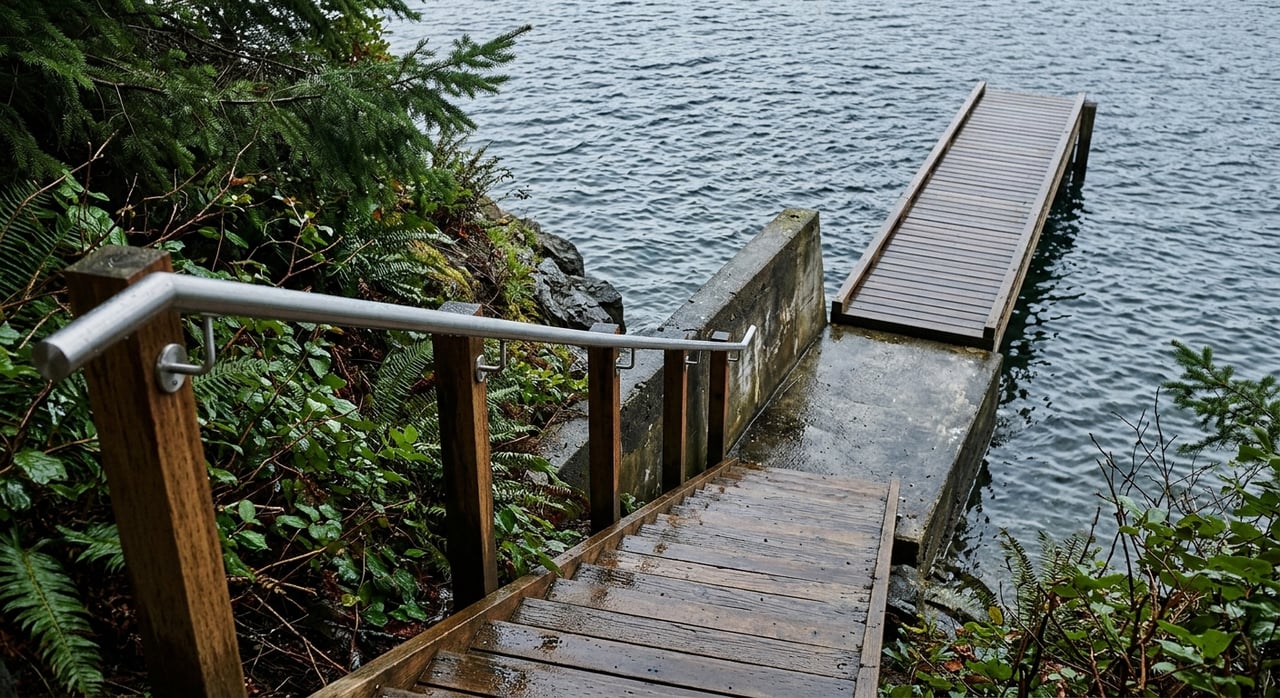
If you are dreaming about adding a dock, replacing a bulkhead, installing a boat lift, or improving a ramp, plan for more than one approval step. Cascade states that any new or modified improvement on its property, including docks, bulkheads, boat lifts, boat ramps, and boathouses, requires a Cascade license before work begins.
You may also need state or local permits depending on the parcel. Cascade also notes that property owners must meet insurance requirements and obtain any required local or state approvals. Buyers should verify what is already licensed and permitted, not just what is physically present at the property.
Jurisdiction Can Change By Address
On Lake Tapps, rules can vary depending on whether the property is in Bonney Lake or unincorporated Pierce County. In Bonney Lake, shoreline jurisdiction is generally within 200 feet of the lake, and almost all work in that area requires either a shoreline exemption or a shoreline substantial development permit, according to the city’s planning permit guidance.
In unincorporated Pierce County, shoreline development requires review from Planning and Public Works. This is why parcel-specific research matters so much. A Bonney Lake mailing address does not automatically mean the property is inside city limits, as the city explains on its boating information page.
HOA Rules Can Matter A Lot
Many Lake Tapps neighborhoods include HOAs or covenant communities with recurring dues, shared maintenance responsibilities, and rules tied to docks, launches, or shoreline areas. That means your monthly cost may include more than your mortgage, taxes, and insurance.
The Consumer Financial Protection Bureau explains that HOAs often manage shared expenses such as maintenance and landscaping. Washington’s HOA law also covers financial records, annual statements, and reserve studies under RCW 64.38, which makes those documents important for buyers to review early.
What To Request From The HOA
Before you commit, ask for:
- CC&Rs and current HOA rules
- Monthly or annual dues information
- Reserve-study documents, if available
- Current budget and financial statements
- Any rules for private launches, shared docks, or shoreline maintenance
- Any history of special assessments or planned repairs
This helps you understand both the rules and the real cost of ownership.
Financing Can Get More Detailed
Waterfront homes sometimes bring extra scrutiny during financing. The CFPB explains that a home inspection is different from an appraisal, and lenders usually require an appraisal. Depending on the loan program and the condition of the property, repair issues can affect closing timelines or create repair requirements.
That is especially important on waterfront properties, where deferred maintenance may involve more expensive items like drainage, shoreline structures, or exterior wear. A beautiful showing does not always tell the whole story, so your inspection contingency should be treated as a real decision point.
Check Flood Insurance Early
Flood insurance is another item to move to the front of your checklist. FEMA says federally regulated and agency lenders generally require flood insurance for buildings in Special Flood Hazard Areas, and the CFPB notes that flood insurance is usually not included in a standard homeowners policy.
Use FEMA’s Map Service Center to check the property by address instead of relying on listing photos or assumptions. Even if a property is not in a designated high-risk zone, insurance costs and availability can still vary, and a new owner may not pay the same rate as the current owner.
Septic And Sewer Need Verification
Lake Tapps area homes can be on sewer, on septic, or in areas where site conditions affect future options. Pierce County advises buyers to confirm sewer service area information, which is especially important if you are thinking about a remodel or addition later.
If the home has septic, the Tacoma-Pierce County Health Department says the system should be pumped and inspected before the sale, with a Report of System Status issued as part of that process. The report is valid for one year, and the department says review can take up to about 10 business days.
Why Septic Timing Matters
Septic is not something to leave until the last week before closing. TPCHD says routine inspections often cost about $250 to $350, pumping commonly costs about $400 to $500, and unresolved issues can create complications for future sale, refinance, or development.
If the property has an on-site septic system, start the process early so you have time to understand the results and negotiate if needed.
Waterfront Inspections Should Be More Specific
A standard home inspection is important, but waterfront buying usually calls for a more focused review of the exterior site and shoreline features. You will want to verify the condition and history of the dock, bulkhead, shoreline drainage, and any ramp or boat-lift improvements.
Just as important, those physical features should be matched against the property’s licensing and permit records. If something exists on site but does not appear to have the proper approvals, that can affect your future plans and your comfort level with the purchase.
A Smart Lake Tapps Buying Checklist
If you want a clearer path, here is a practical roadmap:
- Confirm the property’s exact jurisdiction and whether it is in Bonney Lake city limits or unincorporated Pierce County.
- Review seasonal lake-level realities through Cascade’s lake-level guidance.
- Check flood-map status and get an early flood-insurance quote.
- Review HOA documents, dues, reserve information, and any shared waterfront rules.
- If the home has septic, start the Report of System Status process early.
- Verify dock, bulkhead, and shoreline improvements against Cascade and local permit requirements.
- Treat your inspection contingency as a serious evaluation period, not a routine box to check.
Why Local Guidance Matters
Buying on Lake Tapps often means dealing with multiple moving parts at once, including Cascade Water Alliance, Bonney Lake or Pierce County, TPCHD, FEMA, and sometimes an HOA. That complexity does not mean you should avoid waterfront property. It just means you deserve a plan that fits the property, the season, and your goals.
If you are considering a Lake Tapps waterfront home, working with a local team that understands Pierce County neighborhoods and the details behind lakefront purchases can help you move forward with more clarity. When you are ready to start your search, connect with Rhett Elton.
FAQs
What should buyers know about Lake Tapps water levels?
- Lake Tapps is a managed reservoir, so water levels change by season. Summer recreation levels are generally higher, while winter and early-spring levels are lower, which can affect shoreline exposure, dock height, and boat access.
Can buyers add or replace a dock on Lake Tapps?
- Usually, not without approval. Cascade says new or modified docks, bulkheads, boat lifts, ramps, and similar improvements require a Cascade license before work starts, and local shoreline permits may also apply.
Do Lake Tapps waterfront homes need flood insurance?
- Some do. FEMA says flood insurance is generally required by federally regulated or agency lenders for buildings in Special Flood Hazard Areas, so buyers should check the property address early and request an insurance quote.
What should buyers review if a Lake Tapps home has an HOA?
- Buyers should request the CC&Rs, rules, dues, budget information, reserve-study documents, and any records related to shared docks, launches, shoreline maintenance, or special assessments.
What septic steps apply when buying a Lake Tapps waterfront home?
- If the property uses septic, Tacoma-Pierce County Health Department says the system should be pumped and inspected before the sale, and a Report of System Status should be completed as part of the process.
What makes a Lake Tapps waterfront inspection different?
- In addition to the home itself, buyers should review shoreline drainage, dock or bulkhead condition, any boat-lift or ramp history, and whether those improvements match the property’s license and permit records.