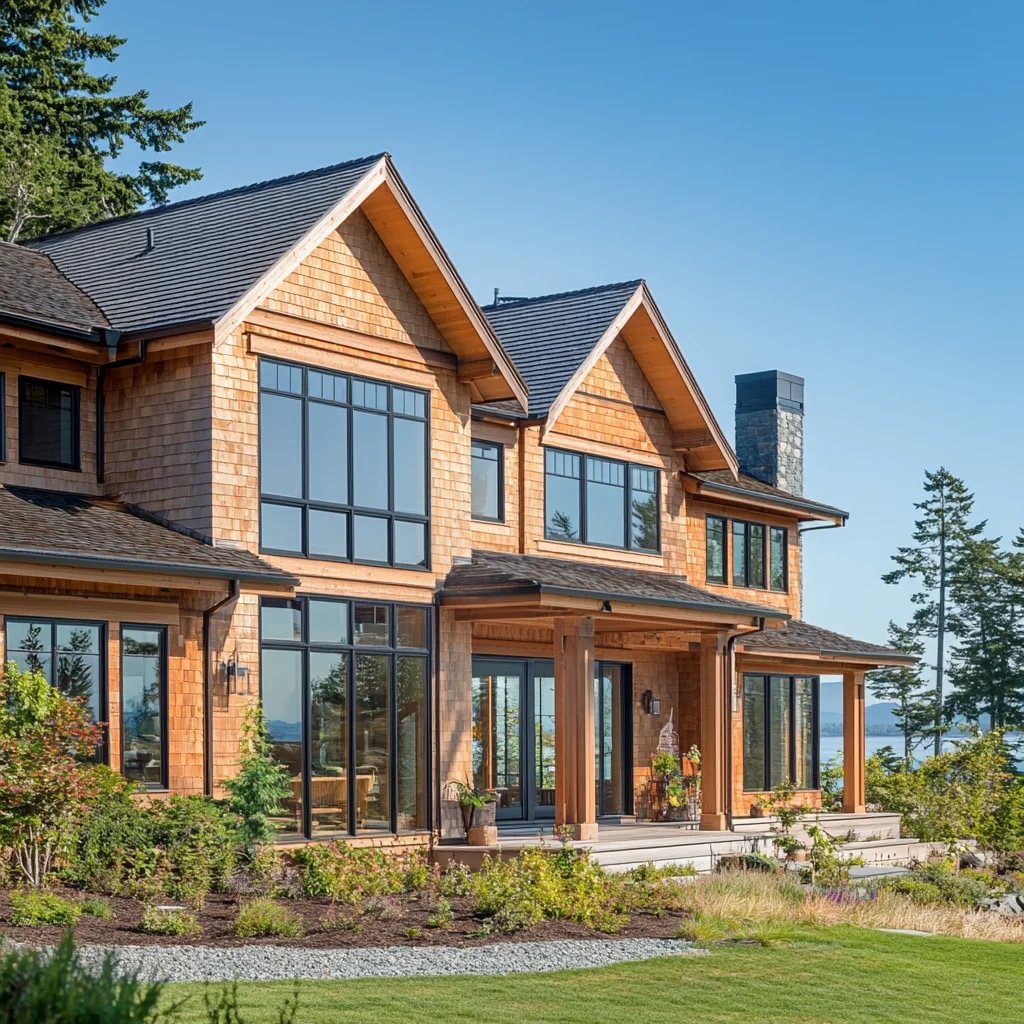
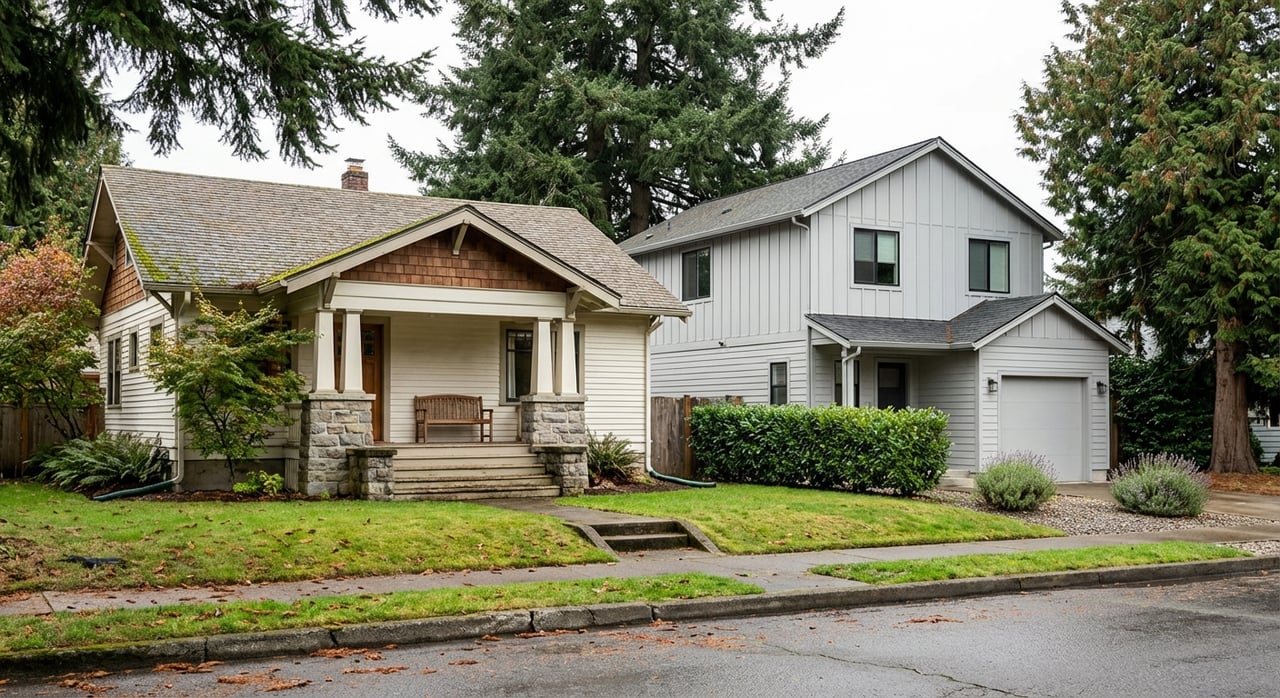
Torn between the character of a century-old Craftsman and the convenience of a brand-new build? You are not alone. In Sumner, buyers often love the feel of downtown’s historic streets yet appreciate the comfort and predictability of newer homes nearby. This guide breaks down what to expect in each option, how to budget for maintenance, and which inspections and incentives can protect your purchase. Let’s dive in.
Sumner market at a glance
As of January 2026, Redfin reports a median sale price of about $596,000 in Sumner. Prices move with inventory and condition, so the type of home you choose can shift your budget and timeline. Inventory in Sumner tends to be modest, and move-in-ready listings often go faster than rural Pierce County homes.
Downtown Sumner is compact, walkable, and served by the Sounder commuter rail. The area’s older housing and small-town Main Street vibe appeal to buyers who value location and character. Seattle Magazine highlights Sumner’s walkable downtown and early-1900s building stock, which helps explain why demand often holds up well in the core.
Where you will find each home type
Downtown Sumner: character homes
Close to Main Street, you will see early-20th-century Craftsman homes, cottages, and bungalows. Many include original millwork, built-ins, and mature trees. Lots tend to be established, and the lifestyle skews toward walkability and local shops.
Surrounding streets: mid-century stock
A short drive from downtown, you will find one-level ramblers and mid-century homes from the 1940s to 1970s. These often have straightforward floor plans and may need kitchen, bath, insulation, or electrical updates. Yards are usually manageable and garage space can be a draw.
Bonney Lake and Tehaleh: new construction
Nearby master-planned neighborhoods offer modern floor plans, low-maintenance living, and community amenities. Many sub-communities have smaller lots than historic areas and active HOAs. Example listings show HOA fees in the low double digits to low hundreds per month and typical lot sizes around 5,000 square feet for certain pockets of Tehaleh. See representative community listings for Tehaleh for how fees and amenities are structured.
What you gain and what you give up
Historic homes: pros and watch-outs
- Pros: unique architecture, original details, mature landscaping, and proximity to downtown amenities. Many buyers value the sense of place and character that is hard to reproduce.
- Watch-outs: higher maintenance probability, potential electrical or plumbing upgrades, and older roofs or siding that need attention. Renovations in pre-1978 homes can trigger lead-safe rules and specialty contractors.
New construction: pros and tradeoffs
- Pros: modern systems, energy-efficient design, fewer near-term repairs, and builder warranties. Floor plans often include open kitchens, generous storage, and attached garages.
- Tradeoffs: smaller lot sizes in some communities, mandatory HOA rules and fees, and locations that may sit farther from downtown conveniences.
Inspections and maintenance: what to plan for
Older homes: focus on the building envelope and systems
Older properties can be fantastic if you right-size your inspection and budget. Plan to dig into the following:
- Roof, gutters, and siding. In our wet climate, moisture control is everything. Look for proper flashing, clear gutters, and sound siding. Address drainage before adding insulation.
- Electrical capacity and wiring. Ask about panel size and any original wiring types. If very old wiring is present, plan for replacement and wall repair as part of the scope.
- Plumbing and sewer. Galvanized supply pipes or older sewer laterals can fail. A camera inspection is smart on any older home. Learn typical repair ranges from this overview of sewer line replacement approaches and costs.
- Lead-based paint and asbestos. For homes built before 1978, sellers must disclose known lead-based paint, and renovation work must follow lead-safe rules. See the EPA’s guidance on disclosures and work practices here.
- Foundations and crawlspaces. Look for signs of settlement and moisture. A qualified inspector can flag priority repairs and recommend further evaluation if needed.
A simple planning rule many advisors use is reserving 1 to 3 percent of the home’s value per year for maintenance. Older homes often trend toward the higher end, especially if you inherit deferred work.
Newer homes: confirm warranties and HOA health
New homes lower the odds of big near-term surprises, but you still want to verify:
- Full builder warranties and transfer terms. Understand what is covered for finishes, systems, and structural items, and for how long.
- HOA documents. Review CC&Rs, rules, budget, reserve study, and recent meeting minutes. Focus on fee levels and any pending special assessments.
- Site drainage and grading. Even new homes benefit from a careful look at grading, downspout extensions, and lot drainage patterns.
Energy, code, and incentives
What the energy code means for you
Washington adopted the 2021 Washington State Energy Code for residential buildings, with updated effective dates in 2023 and 2024. Newer homes permitted under this code must meet higher standards for insulation, air sealing, windows, and mechanical systems. In practice, that means tighter, more comfortable homes that are often cheaper to heat and cool. You can review the state’s adoption filing here. Always check the building’s permit date to know which code it was built to.
Credits and rebates that lower costs
- Federal tax credits. The Energy Efficient Home Improvement Credit and the Residential Clean Energy Credit can reduce costs for upgrades like heat pumps, heat pump water heaters, and insulation. Review eligibility and annual caps in the IRS FAQs and file using Form 5695. Start with the IRS guidance here.
- Home Energy Rebates. The Department of Energy’s programs help fund efficiency and electrification projects, with state-administered rules and income limits. Washington is participating, and program windows may roll out on different timelines. See DOE’s overview here.
Practical tip: If you are planning upgrades, ask your contractor to confirm current rebate rules and any pre-approval steps. Save all invoices and product documentation for tax filing.
Financing paths if you plan updates
If a historic or mid-century home needs work, you can explore renovation financing so you do not drain cash after closing. FHA 203(k) and conventional options like Fannie Mae HomeStyle allow you to roll purchase and renovation costs into one loan, subject to program rules and lender overlays. Read an FHA 203(k) overview here, then talk with your lender about timelines and scope.
Resale factors in Sumner
Downtown Sumner’s walkable, historic setting is a clear market differentiator, and many buyers are willing to prioritize location and character when they shop the core. Newer homes often draw buyers who value predictable maintenance and modern layouts, even if they live a bit farther from Main Street.
Local buyers also respond to practical features. Redfin’s feature trends for Sumner highlight demand for usable kitchens, storage, driveways, and well-located homes. You can explore those buyer preferences in Redfin’s Sumner trends to help you plan updates that add value.
A simple decision framework
- Your lifestyle. If you want walkability and one-of-a-kind details, a downtown character home may fit. If you prefer open layouts and low-maintenance living, newer construction is a strong match.
- Your timeline and budget. If you can handle a phased project, older homes can be rewarding. If you need move-in ready, focus on recent builds or renovated listings.
- Your risk tolerance. Older systems carry more unknowns. A deep inspection and right-sized reserve can offset risk. Newer homes shift risk toward HOA rules and long-term location tradeoffs.
Quick buyer checklists
For any older (pre-1978) home
- Ask for the lead-based paint disclosure and any lead inspection or risk assessment. Review EPA guidance linked above.
- Ask about known asbestos-containing materials and any testing or abatement.
- Verify roof age, visible moisture issues, and drainage; request receipts and permits for major repairs.
- Confirm electrical service size and whether any very old wiring types exist; check if your insurer will accept the current setup.
- Order a sewer scope and request the camera report to understand condition and potential root intrusion. Use the sewer-line resource linked above for cost context.
- Pull permit history for major remodels and additions.
For newer construction and HOA communities
- Get full HOA documents: CC&Rs, budget, reserve study, meeting minutes, and any special assessment notices.
- Confirm builder warranties, coverage periods, and transfer rules.
- Verify any smart-home systems, appliance warranties, and documentation.
What it looks like in Sumner
- If you want a morning coffee walk and quick Sounder access, focus near Main Street and the historic grid. Expect more variation in floor plans and a higher chance of system upgrades during your first 5 to 10 years.
- If you want space-efficient layouts, energy-minded design, and amenities like trails and parks, look to Bonney Lake and Tehaleh. Review HOA budgets and rules, and factor fee levels into monthly costs.
Ready to compare real listings and neighborhoods side by side? Reach out to Rhett Elton for local guidance and a plan that fits your budget, lifestyle, and timeline.
FAQs
What are typical home prices in Sumner?
- As of January 2026, the median sale price is about $596,000, according to Redfin, with prices varying by condition, location, and inventory.
How do energy codes affect new homes in Sumner?
- Homes permitted under Washington’s 2021 energy code generally have tighter envelopes, better insulation, and modern mechanicals, which can improve comfort and lower utility costs.
What inspections are essential for historic homes?
- Prioritize roof and moisture control, electrical capacity and wiring type, plumbing and a sewer scope, plus lead-based paint and possible asbestos testing in pre-1978 homes.
Do HOAs add value in new communities like Tehaleh?
- HOAs maintain common areas and amenities and can support curb appeal, but fees and rules vary, so review budgets, reserves, assessments, and restrictions before you buy.
Can I finance renovations when I buy in Sumner?
- Yes, options like FHA 203(k) or conventional renovation loans can combine purchase and upgrade costs into one loan, subject to program and lender requirements.
Are historic homes harder to maintain than new builds?
- Older homes often need more short-term maintenance and system updates, while new builds reduce early repairs but add HOA fees and rules in many communities.