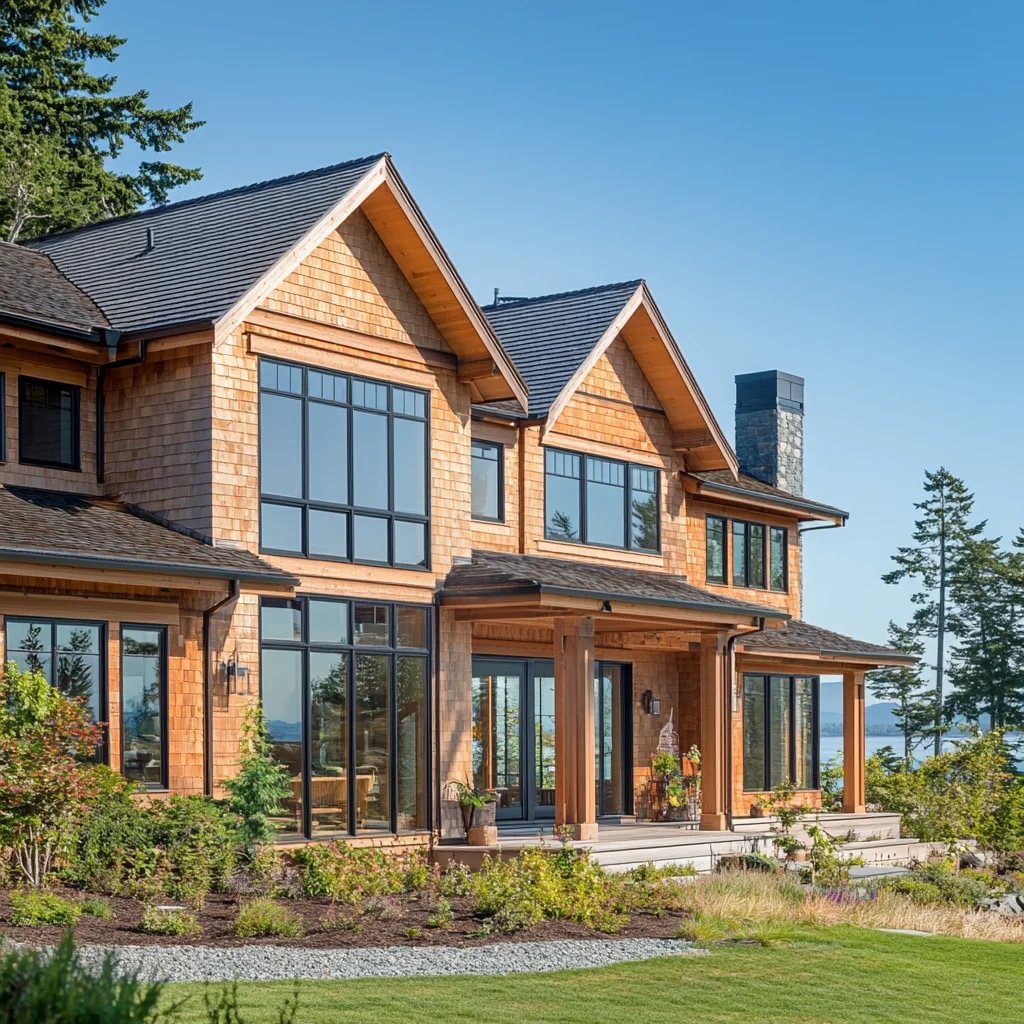

The median sale price on Lake Tapps was about $907,000 as of May 2026, down roughly 3.4% year over year, and the citywide price per square foot sits near $412 for the same window. That single number is the one out-of-area buyers arrive with, and it is the one that gets them into trouble. Lake Tapps is not one market. It is three, and the gap between them is wider than the gap between Lake Tapps and the rest of Pierce County.
The reservoir itself is why. Cascade Water Alliance owns and operates Lake Tapps, and Cascade's seasonal schedule dictates what a buyer is actually purchasing at each tier. A July tour and a February walkthrough of the same shoreline show two different properties. Reading the median without reading the schedule is how a buyer ends up paying waterfront money for a view they only get five and a half months a year.
The one number that misleads every out-of-area buyer
The citywide median smears together three sub-markets that price on completely different logic. Portal search results do not separate them, and lender appraisers pull comparables across all three, which is where mispricing on both sides of the closing table begins.
The first sub-market is true frontage. The second is community-access, meaning homes inside gated or HOA enclaves that share private docks, launches, and beaches but do not sit on the water themselves. The third is the off-water Bonney Lake-adjacent inventory that shows up in the same MLS search because it shares a ZIP code. Each tier attracts a different buyer, prices on a different per-square-foot ceiling, and carries a different diligence load.
Tier one: true waterfront, and why $/sf tells the real story
Waterfront on Lake Tapps trades in a range that has nothing to do with the citywide median. Six-month trailing data on the true waterfront collection shows a median price near $1,547,500 on median square footage around 2,928, working out to roughly $528 per square foot. The active range as of mid-2026 pushes that band out to roughly $500 to $835 per square foot depending on frontage type, exposure, and lot depth. Fairweather Cove Estates was listing at a median near $1.6 million; individual Snag Island, Jenks Point, Driftwood Point, Tapps Island, and Lakeridge listings this summer ranged from cabin-scale properties in the mid $800s to legacy estates well past $3 million.
The reason the range is so wide inside a single tier is that waterfront is not fungible. Low-bank flat frontage with western exposure, a covered lift, and no-wake protection is a different asset than high-bank frontage on the open lake with steps down to a shared dock. The listing sheet says "waterfront" for both. The per-square-foot number is what separates them, which is why the citywide $412/sf figure is useless as a shortcut for anyone shopping here.
Transaction volume on this tier is thin. Fewer than 50 to 100 true waterfront properties change hands annually across the entire lake. Shoreline is fixed at roughly 45 miles, and roughly 2,500 properties sit on or within a short walk of it. Supply cannot grow. That is what supports the premium, and it is also what makes overpricing survivable and underpricing expensive.
Tier two: the community-access tier the portals never quote
The second tier is where most Lake Tapps lifestyle buyers actually land, and where the biggest information gap sits. These are homes inside enclaves like Tapps Island, Fairweather Cove, and the Jenks Point and Bankers Island Park communities that share private waterfront amenities: gated boat launches, sandy beaches, tennis and pickleball courts, and swimming areas. Vacant lots inside these communities have listed in the low six figures with electric, bulkhead, and dock already onsite; built homes typically fall in a $475,000 to $1 million-plus band depending on age and finish level.
The economic logic here is different. A buyer is not paying for shoreline. They are paying an HOA-embedded ticket to the same lake, without dock maintenance, bulkhead replacement, or shoreline permitting exposure. In practice that ticket is worth several hundred thousand dollars less than the frontage version, and for a household that wants three months of active summer use and a manageable January, it is often the better fit.
The trap is that these homes show up in the same portal searches as tier-one waterfront and tier-three off-water. A buyer filtering by list price will see all three on the same map and treat them as substitutes. They are not. The offer strategy, appraisal risk, and inspection scope are different for each.
Tier three: off-water, and where the "affordable Lake Tapps" listings actually live
Bonney Lake's citywide median for June 2026 sat near $719,000 at about $284 per square foot, with median days on market around 78. Zillow's ZHVI for Bonney Lake read closer to $684,000 in spring 2026. Neither number is a Lake Tapps number. It is the off-water Bonney Lake number that gets attached to Lake Tapps listings by proximity.
These homes are the "Lake Tapps community" listings on quiet cul-de-sacs a mile or more from the water, often in the Sumner-Bonney Lake School District or the Dieringer School District depending on side. They price on subdivision-style comps, not on lake comps. A buyer who reads the citywide $907,000 median and expects Lake Tapps at $719,000 is looking at this tier without realizing it. The house is real, the neighborhood is real, and the lake access is public rather than private. It is a legitimate purchase. It is not a discount on tier one or tier two.
The reservoir rule that reprices all three tiers
Lake Tapps is a working reservoir, not a natural lake. Cascade Water Alliance maintains a recreational pool between elevation 541.5 feet and 543 feet only from April 15 through September 30. Starting November 1 Cascade actively draws the reservoir down to approximately 539 feet for fall and winter dike maintenance and storm safety. The 2026 spring refill was anticipated to begin in mid-February.
That schedule is the hidden mechanism behind the price gap between tiers. The waterfront a buyer tours in July is not the waterfront that sits behind the house from November through mid-February. Docks come out, exposed lake bed extends past the bulkhead, and open water retreats. The physical asset changes seasonally in a way that neither MLS photos nor a summer walkthrough will show.
Cascade can raise the reservoir to elevation 543 feet under its current water rights, and does so once a year briefly as a reminder. Any new or modified bulkhead should be built to at least elevation 544 feet, or it will be underwater the day Cascade tests the ceiling.
For a tier-one buyer that translates directly into a diligence item most home inspectors will not raise. For a tier-two buyer it means the shared launch may sit high and dry for four months. For a tier-three buyer it means very little, which is part of why that tier prices where it does.
What to diligence before you write the offer
The interesting part of a Lake Tapps transaction is what falls outside a standard residential inspection. The list is short but consequential:
- Confirm which sub-market the appraiser is using for comparables. A tier-two community-access home appraised against tier-one waterfront comps will not appraise, and a tier-one home appraised against tier-three off-water comps will leave equity on the table.
- Pull the Cascade license and permit history for any dock, bulkhead, or shoreline modification. Cascade owns the shoreline license framework, and unpermitted work travels with the property.
- Verify bulkhead elevation against the 544-foot ceiling rule. Replacement cost on a full residential bulkhead is a five- to six-figure project.
- Check the HOA documents for shared-amenity communities. Launch access, dock assignments, and guest rules often live in bylaws rather than the MLS remarks.
- Ask when the seller last saw the property at winter drawdown elevation. If the answer is "never," the buyer should visit before removing the inspection contingency if timing allows.
FAQ
Why is the citywide $/sf so much lower than the waterfront $/sf? Because the citywide figure averages tier one, tier two, and tier three together, then blends in adjacent Bonney Lake inventory that shares the ZIP code. True waterfront runs roughly $500 to $835 per square foot; the $412 citywide figure is arithmetic, not a comp.
Does the winter drawdown affect property values? It affects use, insurance decisions on docks, and bulkhead engineering. Sale prices already reflect the schedule, which is one reason waterfront trades at a wide range rather than a single ceiling.
Is community-access a better deal than waterfront? It is a different product. Lower entry price, no dock maintenance, no shoreline permitting, and shared rather than private launch access. Whether that is "better" depends on how many summer weekends the household will actually spend on the water.
How competitive is inventory in mid-2026? Thin at tier one, with fewer than 50 to 100 waterfront transactions expected across the whole lake this year. Tier two and tier three carry more selection and longer marketing times.
Understanding which tier a listing belongs to before the first showing is the difference between an offer that closes and one that surprises everyone at appraisal. The Elton Home Team works this lake tier by tier, and we are happy to walk through the sub-market a specific address actually sits in before you write anything. Start Your Home Search when you are ready.